登山 補給站
專業戶外活動資訊平台
本站留言版
談做記號

2006/3/26
最近發現這些蠻好用的, 與各位分享一下.
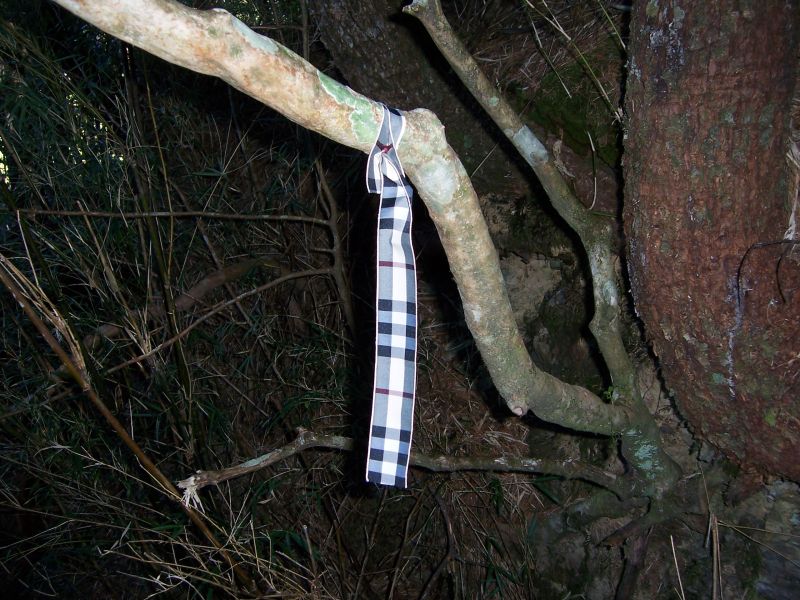
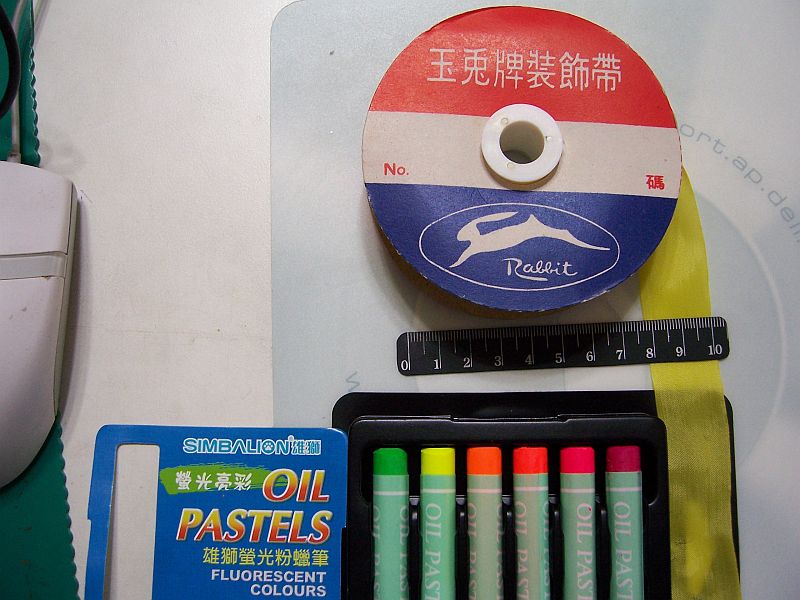
1. 飾帶路標- 選黃色, 一捲約40元, 長約50M, 多用途, 堅韌, 質輕, 放小袋中要多長抽多長, 前胸掛瑞士刀, 方便使用裁斷. 視路程遠近可帶多捲.
2. 蠟筆- 明顯岩石地區指向用, 含螢光蠟質防水, 光線暗時頭燈照亮明顯. 但請不要亂塗微笑標幟. 發現路錯返回打叉. 36元.
ps: 列入個人探勘基本配備.
1. 飾帶路標- 選黃色, 一捲約40元, 長約50M, 多用途, 堅韌, 質輕, 放小袋中要多長抽多長, 前胸掛瑞士刀, 方便使用裁斷. 視路程遠近可帶多捲.
2. 蠟筆- 明顯岩石地區指向用, 含螢光蠟質防水, 光線暗時頭燈照亮明顯. 但請不要亂塗微笑標幟. 發現路錯返回打叉. 36元.
ps: 列入個人探勘基本配備.
文章附件
所有回覆
-
 wu兄 這個好 請問飾帶路標在那可買到呢
 -
這是專門賣鍛帶, 扣子, 中國結, 飾品包裝帶的小店買的, 這個或許您要費心在台北市區找一下, 也不一定用這種, 如果可以找到便宜, 方便攜帶的即可. 在大霸北稜有人用這麼高檔的鍛帶, 登山第一次看到, 一定不便宜, 但很漂亮.
-
到迪化街的附近賣布的店家應該都會有此好東西.就如同hunter5大大說的要領選購就對了!
-
我記得台北市的後火車站應該有不少這種店 尤其是太原路上的"小熊媽媽的家"~ 可以去看看 我是很少做路標啦~路標已經夠多了~:p 不過要的話~我都是用"絕緣膠帶"...
-
如果你有資源管道...這些東西都不用錢的, 而且還一大包, 有的布還有亮亮反射著呢. 而我們以前都拿來...捆菜. 另外電氣膠帶好用, 若應急不錯, 而紅色汽水繩應該是不少人使用的, 不過用在確保上, 強度差. ps.可請問成衣廠或裁剪工廠取得.
-
現在車上不是有隨身筆? 我之前想用, 不過後來還是算了, 能用天然的記號, 如堆石或自己知道別人卻不清楚的符號圖騰應該比較好, 當確定後, 路標是否綁就是另外的討論課題了. 不過有一點, 我還是思考, 就是林間的記號, 雖然沒有辦法達到 LNT 的境界(LNT也不是絕對不留下痕跡的,看狀況!), 但是卻必需尊重不動的植物... 劃記的東西, 之前在溪床有找到天然紅石, 本來覺得...天然ㄟ尚好, 但是基本上還是不太好, 尤其是在有密切行走可能的路段(參照LNT). 目前可以接受比較好的方式還是懸掛的, 必要時還可原路收回... 當然這僅是理想中狀況. 訓練自己的路感與記憶, 僅在重要地點留下"資訊", 應該是最好的, 有一樣東西可以幫助你留下少一點的痕跡-- GPS tracklog.
-
 突發奇想來插花.... 你家那隻小黃,沿途給牠拼命喝水..
 -
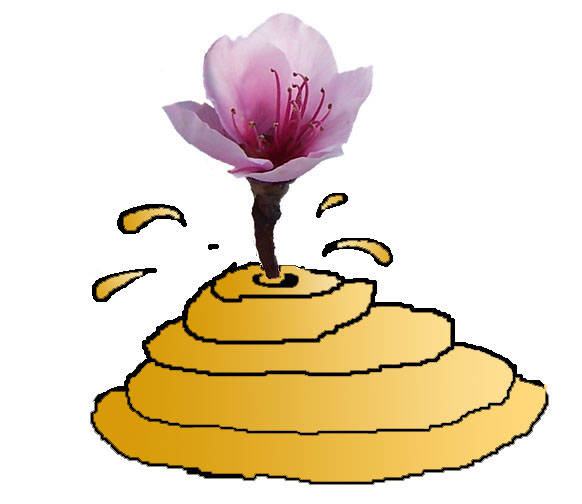
蔡爸大大: 就給您插花沒問題. 如果要帶小黃, 倒不如帶一條老黃牛, 經過箭竹林芒草堆, 一面吃一面拉, 不用路條, 又環保, 路又吃又踩得大條, 又可沿路一坨坨, 記號清楚. 不滿意再抓一把鮮花有一坨插一支. 有二坨給它插一雙. 有三坨插.............., 這插花的重責大任就交給您了.
-
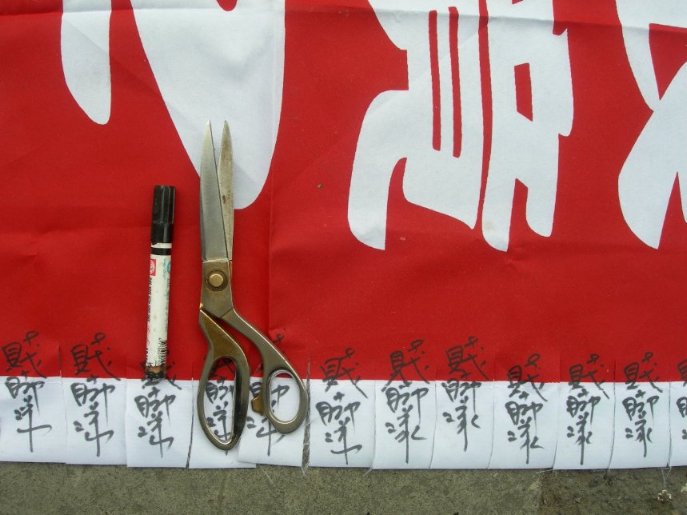
免費的登山路條 製作簡單又比塑膠路條耐久
-
賤腳隊的一些作法很有創意(如刀鞘)... 提供我的玩法, 我還拿來作風箏, 看綠的或藍的飛的比較順 :) { [路條] 我的路條補給站 http://www.keepon.com.tw/ActiveSite/Message/One.asp?MessageID=26924 } { 用火種吃ㄧ餐--只要五分鐘 (很"進步"的包袱綁法 ) http://www.keepon.com.tw/ActiveSite/Message/One.asp?MessageID=36810 }
-
 看到大家熱烈討論如何製作省錢又美觀的登山布條時,真的覺得國人的登山觀念看到大家熱烈討論如何製作省錢又美觀的登山布條時,真的覺得國人的登山觀念病的不輕。 國內登山綁布條的盛行起於各登山團體的自戀與宣傳行為;各位山友上山時應可見到布條集中的嚴重情況,各登山口與山頂猶盛。常常一眼望去、路跡鮮明的步道上已綁滿各登山團體的﹝招魂幡﹞,好走的之字型上坡路不走、偏要自行開條陡上的捷徑,曾看到山友跌傷、也不見得較快。布條非是路標的替代品。 綁登山布條的目的原是為了開新路與大隊行進時防迷途使用的、且只有原路折返時有必要綁、回程時須由押隊人員拆除乾淨。 登山團體為了賺錢都稱自己愛山愛自然,可是卻不斷的破壞自然,登山布條綁住樹枝看似無害、但當樹長大時布條會把樹嘞到無法輸送水份而枯死。 身為獀救隊員且喜歡獨自登山的我、拆過的布條已上千、清完垃圾的步道也無數[清乾淨的步道約可維持一週的清潔] 願與各位山友共同改善登山環境。
 -
 路條的問題, 在本站已經有熱烈的討論過,不能夠否認它的功能, 只是在大眾化路跡明顯的山, 實在就不必要多綁了,叉路口可改用指示牌.當然不可諱言有些登山隊是為自己打廣告, 但大部分的都是為了大家生命安全著想.
 -
 不論是高山、中級山、郊山,絕不小看任一座山! 就算路跡再明顯,適時路條出現,象徵性引導前進 可穩定人心,。山區叉路、獵路、小徑及前人誤闖山路 何其多,並不是每個人碰到叉路憑著所攜記錄就可猜中左右上下。 高山濃霧、中級山原始林內,就算是不經意綁上路條有可能是那天別人路過時 救命路條,在山上拆除自認有礙環保、不必要路條,不太好吧...
 -
 登山布條綁住樹枝看似無害、但當樹長大時布條會把樹嘞到無法輸送水份而枯死。 這是事實嗎? 我覺得樹會把塑膠布條撐爆 或是布條會先腐爛... 如果登山步條對樹的傷害那麼大... 那...樹根每日每夜承受人們的踐踏,傷害應該更大... 綁路條要有綁路條的智慧,綁在該榜的地方 拆路條要有拆路條的智慧,拆在綁錯的地方,或是綁過多的地方 兩者皆非絕對,無法滿足所有人,但應可滿足極大數人... 不曉得這樣好不好?
 -
我理解的"不留痕跡",跟路條好像不一定相衝突 ------------------------------------------ (1)在已有路的地方,避免開闢新路徑,大家盡量(除非因為安全因素)走在已有的路徑上 (2)在沒有路的地方,避免走出或開出新路(所以囉,林務局的國家步道計畫可能可以再斟酌看看) ------------------------------------------- 在(1)的情況下,路條可以幫助維持固定的路徑,在許多情況下,也可幫助平衡登山者,動物,山區資源利用者的需求 就算綁的稍微多點,恐怕也主要是對視覺美感有傷,應該遭致的譴責,絕對應該要小過一些不斷維修的林道,橫貫公路;甚至多砍了些路跡旁的"雜木",尤在地勢陡峭處,可能造成的傷害都更大 感覺上路條要拆,要更新都很快,我會拆掉,或重新綁上一些較舊的路條,爛了掉地的也儘量帶下來,不可否認,登山的"規則"與共識會變的,未來真有了共識,路條,指示牌要移除是非常快的,但是噴漆恐怕就難除了,更別說林道,橫貫公路造成的傷害 至於(2),我想兩地的環境確有不同,不能完全套用,不過(2)的精神是值得放在心裡的
-
>>>登山布條綁住樹枝看似無害、但當樹長大時布條會把樹嘞到無法輸送水份而枯死。 >>這是事實嗎? 我看過是吃進去的...得天獨厚吧?! 不過是在獵路(還是廢棄的造林路? 應該不是.) 所以除了Leon兄後文提到的注意要點之外...就簡單套入的活節即可避免, 但是如果落地後在以污染環境之名讓他背負...大家再作答吧?! 免洗筷, 取之天然也會腐敗瓦解, 本來為解決衛生與方便問題, 但是卻製造更多問題, 不健康也不環保? 藥用肥皂本來是也是為了衛生但卻是讓細菌更茁壯. 哎呀, 又要講到基因改造了, 藥用,食品,醫療... 某位王子說不要違背上帝旨意, 卻享受很多文明的人工物, 但是我們也不能否定他的想法, 因為...那是他的信仰!
-
不看有關路條的論戰文字敘述, 我不曉得 Harvida 得到 LNT 的觀念是否跟下列吻合: ※http://www.taroko.gov.tw/mp/tit1/the%20duty%20of%20climber%20by%20lin.htm (二)在能耐受人類踩踏的地表行走及紮營 ◎為了幫助緩和步道的踩踏及侵蝕問題,只在現存的步道上行走,而且盡量走在步道的中間,走成一直線。 ◎當沒有路徑的時候,試著走在最耐踩踏的地方,例如岩石、乾的草、礫石,或是雪上面。 ◎在熱門路線時,只在現存土壤堅硬寸草不生的營地上紮營,將你的營地活動集中在已經受衝擊的區域。 ◎如果你很幸運在一個很少人類活動的地區,將營地紮在一個從未使用的地點,而不要紮在受輕微衝擊的地方。 ※http://www.lnt.org/programs/lnt7/index.html#lnt2 (或 http://www.lnt.org/programs/lnt7/durable.html) (2)Travel and Camp on Durable Surfaces ‧Durable surfaces include established trails and campsites, rock, gravel, dry grasses or snow. ‧Protect riparian areas by camping at least 200 feet from lakes and streams. ‧Good campsites are found, not made. Altering a site is not necessary. ‧In popular areas: 。Concentrate use on existing trails and campsites. 。Walk single file in the middle of the trail, even when wet or muddy. 。Keep campsites small. Focus activity in areas where vegetation is absent. ‧In pristine areas: 。Disperse use to prevent the creation of campsites and trails. 。Avoid places where impacts are just beginning.
-
我也看過把布條吃進去的樹呀! 但你們難道沒注意過被嘞斃的樹嗎?
-
>>我也看過把布條吃進去的樹呀! >> 但你們難道沒注意過被嘞斃的樹嗎? 解鈴還須繫鈴人, 如果單純用仇恨的心態到山林間去惕除認為不當的人工物, 倒不如把您寶貴的經驗或者用反面的舉証教育這些繫鈴人, 或許這些繫鈴人沒有像您一樣深刻無微不致的觀察, 何妨將照片與狀況直接給這些繫鈴人參考, 這樣比這種質疑的語氣會有建設性的, 另外您在別的文章先入為主褒貶語意已經讓人對您的話產生適當的保留了, 請前去說明解釋會比較好. 我看過路條綁在枝枒上但掉落在地面, 連著樹枝, 這是颱風的傑作, 難不成對於環保生態或者尊重生命的人士, 會起身去抗議颱風? 抗議熱帶氣團的形成? 抗議人類的存在?(自殺?) 甚至抗議引起颱風的蝴蝶?(蝴蝶效應) 我想還是實事論事吧?! 將你"美好"的經驗告訴大家, 但是請將仇恨與不滿遺忘...
-
常常對發生在台灣的許多事感到難過,因為我老覺得,許多人(包括我在內),自願或非自願,或被這整個體制裹脅,花了太多子孫的財產,在過去的八九十年,這塊土地上太多屬於自然的美好遭受不可回復的傷害,想到這,想到許多我有緣認識或不認識的孩子們,我總帶有一些抱歉,似乎是我們這一輩的人對之有所虧欠,因為我們對土地的守護失敗了,或說不夠成功 但看這個以及許多相關討論串,我不禁想說,"我們都是好人",因為只有關心人與週遭自然環境倫理與規範的人們,才會討論路條這個問題 登山的倫理與習慣是會移動的,但要改變,不同意見者一定要大聲說出來,理直而"氣和",聽者會更樂意聆聽,共識形成了,山林也有了另一種風貌 但無論如何,路條事小,開路建水庫的傷害更大,還請各位朋友予一樣的關心